As another Texas summer approaches, many Lewisville homeowners wonder whether the current AC can handle the heat or whether it is time for an upgrade. You do not want to waste money on repairs that will not last, but you also do not want to replace a system that still has good years left. The right call comes down to a few signs and costs worth weighing before the heat arrives.
There is no single answer, because it depends on the age, condition, and history of your specific system. This guide walks through when a quality AC repair is the smarter spend, when the signs point to replacement, and how to compare the real costs over time.
Why Does This Decision Matter Before Another Texas Summer?

In Lewisville, the repair-or-replace decision has a bigger impact than it might seem, because the cooling season is long and intense. When afternoon temperatures push past 95 degrees and stay there for weeks, a weak or inefficient system does not just feel inconvenient. It leaves hot bedrooms, restless nights, and climbing utility bills.
That weakness also shows up month after month on your electric statement. A system that runs constantly, struggles on the second floor, or leaves rooms muggy affects daily life all summer, not just your budget. Making the call deliberately, before peak heat, means you decide on your terms instead of scrambling for an emergency replacement during the first 100-degree week.
When Does AC Repair Still Make Financial Sense?
Plenty of situations still favor repairing over replacing. If the system is under about 10 to 12 years old, has a solid service history, and the problem is a single failed component like a capacitor, contactor, or minor refrigerant leak, a quality repair can restore reliable cooling without a major investment. Repair tends to be the better value when:
- The system still holds the set temperature on hot Lewisville afternoons
- Energy bills have stayed steady from one summer to the next
- You are not facing frequent or repeat breakdowns
- The failed part is isolated and affordable to replace
- Major components like the compressor and coil are still sound
In those cases, a targeted repair gets more value from equipment you have already paid for, and lets you plan any future replacement on your own schedule rather than under pressure.
What Signs Suggest Your System Is Nearing the End?
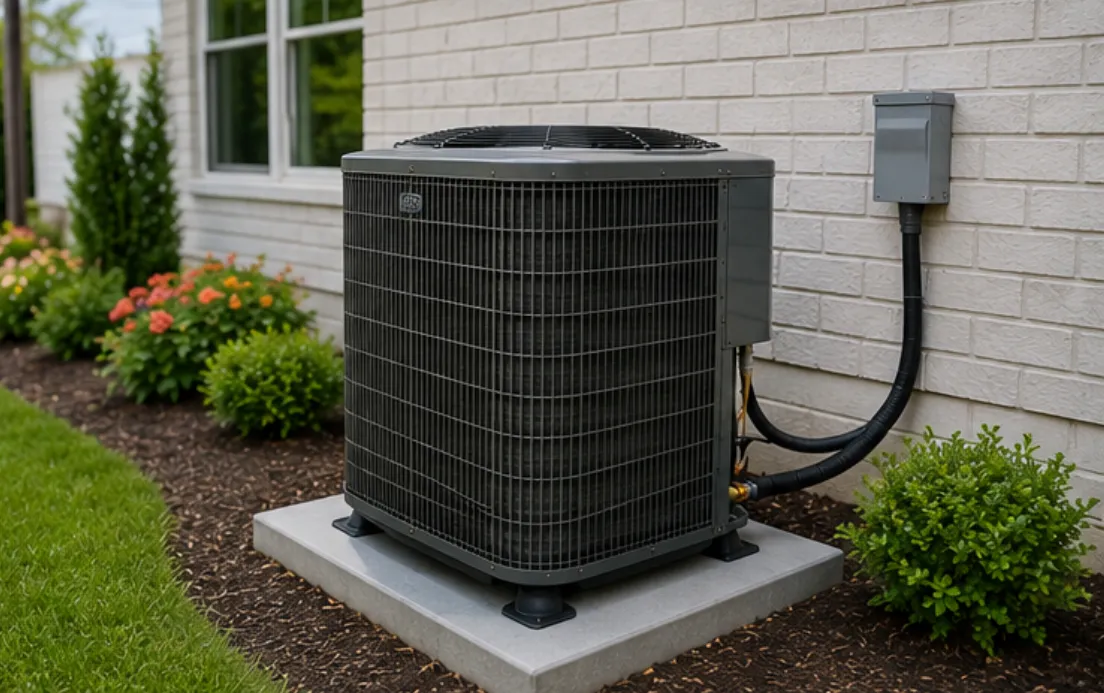
Most air conditioners do not fail overnight. In Lewisville homes, the warning signs often appear one or two summers before a major breakdown occurs. The challenge is recognizing those signals while you still have time to plan instead of making an emergency decision during a 100-degree heat wave.
Warning Signs Replacement May Be Closer Than Repair
| Warning Sign | Why It Matters |
|---|---|
| Repairs every cooling season | Indicates multiple aging components reaching end of life |
| System struggles above 95°F | Capacity may no longer match cooling demand |
| Rising summer utility bills | Efficiency is declining even if the system still cools |
| Uneven temperatures between rooms | Airflow or equipment performance is deteriorating |
| Uses R-22 refrigerant | Future repairs become increasingly expensive |
| System is 12-15+ years old | Most units in North Texas begin experiencing major wear |
When several of these issues appear together, homeowners are often spending money to maintain declining equipment rather than improving long-term comfort.
Does a Higher Age Always Mean Replacement?
Age is an important factor, but it does not decide the question on its own. In North Texas, where systems run hard from May through September, a well-maintained 14-year-old unit can still be worth repairing, while a neglected 9-year-old one may already be failing. What matters is how the equipment has held up, not just the date on the label.
Most central systems last roughly 12 to 15 years in this climate, and the back half of that range is where the math starts shifting toward replacement, especially once efficiency drops and parts get harder to source. The most reliable way to know where your system stands is a professional evaluation that weighs age alongside refrigerant type, repair history, and measured performance, rather than a single number.
How Do Frequent Breakdowns Add Up Over Time?
One repair does not mean you need a new system. The concern is when repairs become a pattern. During Lewisville summers, we often see homeowners spend money on a capacitor in June, a blower motor in August, and then face a refrigerant or compressor issue the following season.
The cost is not limited to repair invoices.
- Higher utility bills from declining efficiency
- Emergency service charges during extreme heat
- Lost comfort during breakdowns
- Increased wear on remaining components
- Growing risk of a major compressor failure
A useful guideline many homeowners consider is whether upcoming repairs approach 30% to 40% of the cost of a replacement system. Once repair costs start stacking on top of rising energy bills, replacement often becomes the better long-term investment.
What Questions Should You Ask Before Making the Decision?
Before choosing repair or replacement, ask a few practical questions about how the system is performing today.
- Is the system keeping the home comfortable during 100-degree afternoons?
- Have repair costs increased over the last two summers?
- Are certain rooms consistently hotter than others?
- Have summer utility bills risen significantly without changes in usage?
- Is the equipment still under warranty?
- Would a major repair cost more than one-third of a new system?
The answers often reveal whether the system still has useful life left or whether you are spending money to postpone an inevitable replacement.
What Does a New High-Efficiency System Offer?
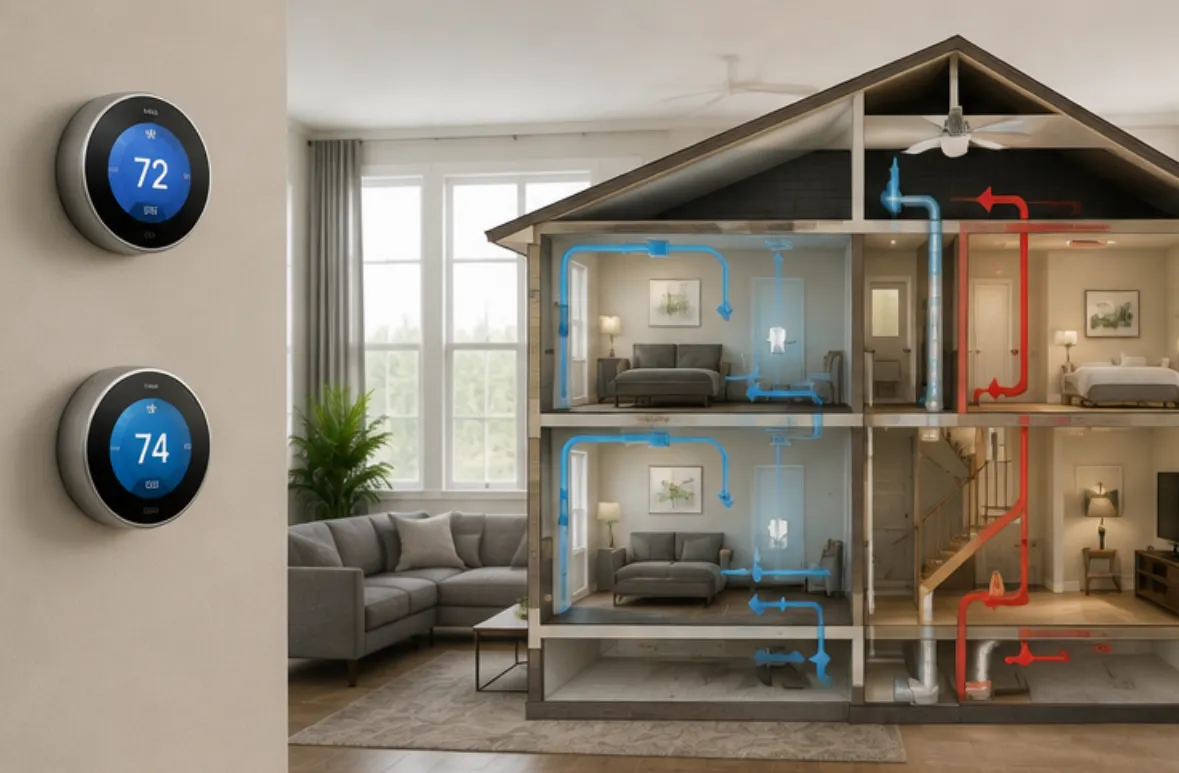
No system can erase a Lewisville summer, but a modern high-efficiency unit changes how the home feels and what it costs to stay comfortable. You get better cooling with less run time, so the system is not grinding all afternoon just to hold 75 degrees, which is most noticeable in upstairs rooms and open-concept spaces.
Newer equipment also controls humidity better, which makes the same thermostat setting feel cooler and less sticky on a 98-degree day. Higher SEER2 ratings mean more of the electricity you pay for becomes actual cooling, and the systems tend to run more quietly and pair well with updated thermostats and zoning. The biggest benefit most homeowners notice is not a feature but steadier comfort with lower, more predictable summer bills. A professional AC installation sized correctly for the home is what delivers those results.
Repair or Replace: How Do You Compare the Options?
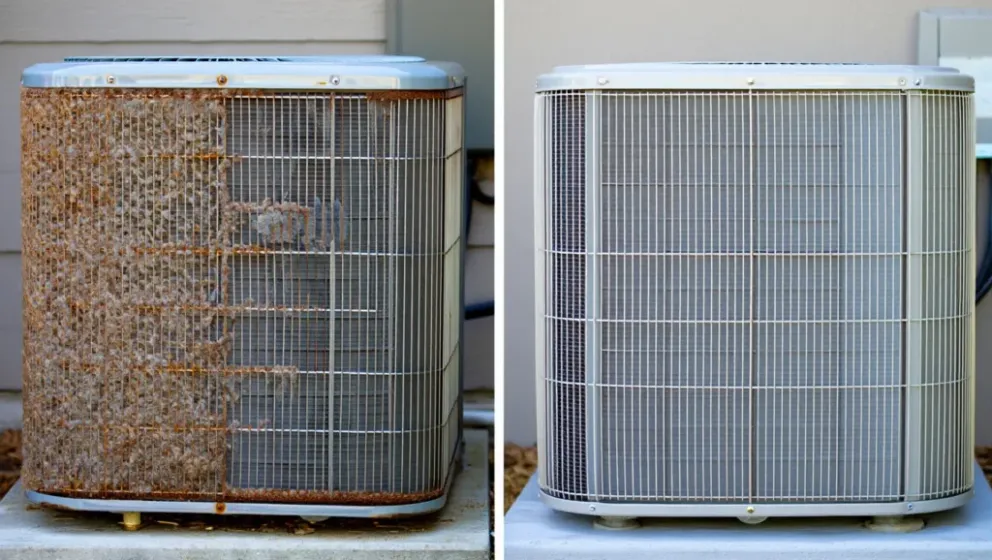
Before deciding, it helps to compare more than today’s service-call price. In Lewisville’s long, 95-degree-plus summers, the cheapest option on paper can cost the most in energy, comfort, and future repairs. A side-by-side look at the factors that actually matter makes the choice clearer:
| Factor | Leans Toward Repair | Leans Toward Replacement |
|---|---|---|
| System age | Under 10 years | 12 to 15 years or older |
| Repair history | First or rare issue | Repeat repairs each summer |
| Upcoming repair cost | Small, isolated part | 30 to 40% of a new system |
| Energy bills | Steady year to year | Climbing each summer |
| Comfort | Even, reliable cooling | Hot rooms, humidity, long run times |
Weighing age, repair frequency, energy use, and five-year ownership cost together, rather than the single service call in front of you, is how you avoid both premature replacement and money sunk into a dying system.
Why Choose Kelly’s Heating & Air for AC Repair and Replacement in Lewisville, TX

The right choice is not always repair, and it is not always replacement. It is the option that gives you the best combination of comfort, reliability, and long-term value for your specific home.
At Kelly’s Heating & Air, we help Lewisville homeowners evaluate their systems based on age, repair history, energy usage, airflow performance, and overall condition. Whether your system is a good candidate for AC repair or it’s time to consider a new AC installation, our recommendations are built around what makes the most financial sense for you.
If your air conditioner is struggling to keep up with the Texas heat, schedule a professional evaluation. We’ll help you understand your options and make a confident decision before summer demand reaches its peak.